




Leverage your industrial data with Industrial DataOps
Bring IT and OT together to achieve real-time insights, operational efficiency, and industrial innovation with Industrial DataOps.
Ask an Expert
Industrial DataOps – critical for IT and operations
Manufacturers handle vast amounts of data from machines, sensors, and systems yet they often fail to use it effectively. Traditional IT systems struggle to interact with operational technologies (OT) and quickly reach their limits.
Industrial DataOps solves this challenge: it connects IT and OT systems and creates a continuous, reliable data flow.
BEFORE
❌ No shared real-time visibility
❌ Difficult to optimize industrial processes
❌ Decisions are slow and inconsistent
AFTER
✅ A single, central source of truth for all relevant data
✅ OT data available for enterprise systems, big data, and AI applications
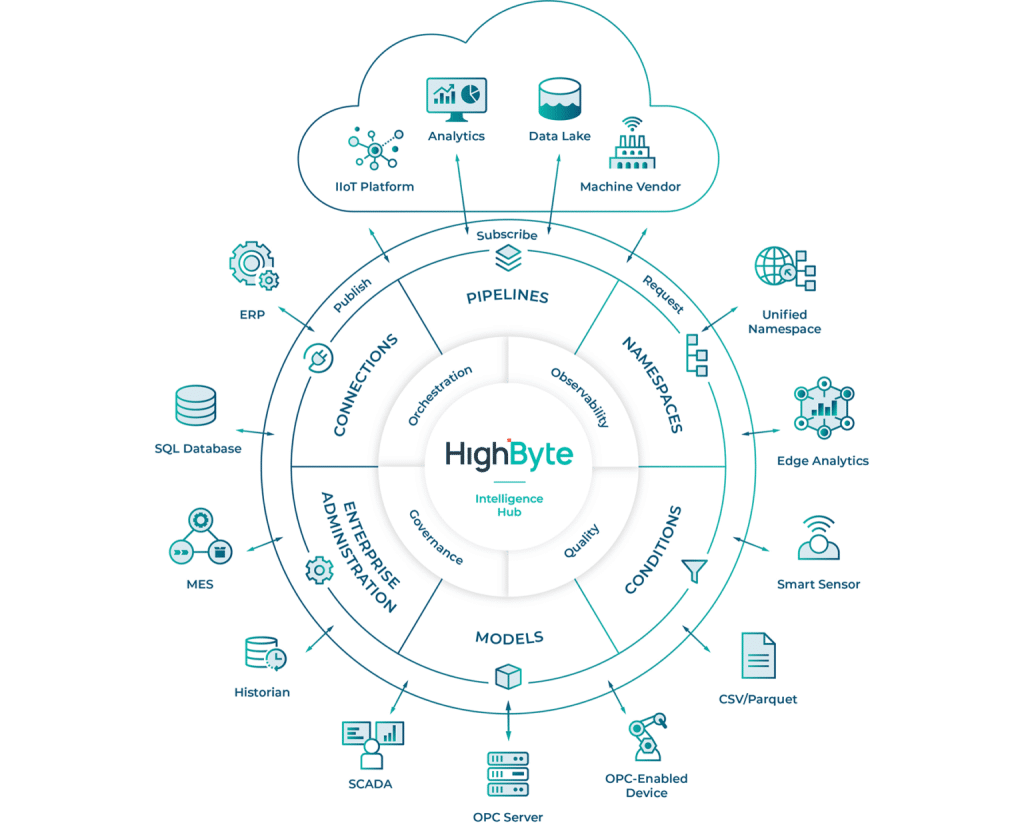
Getting started with Industrial DataOps
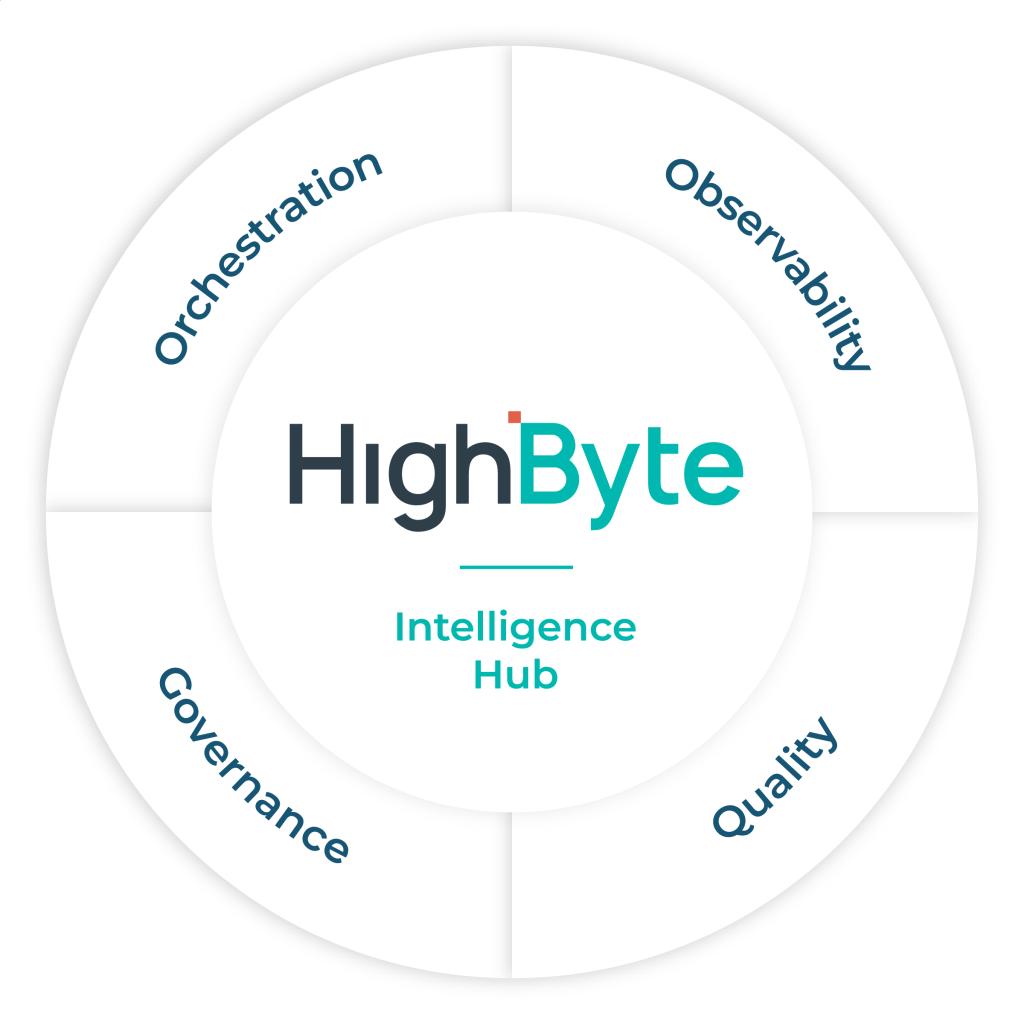
Industrial DataOps at every stage of your digital journey
No matter where you are in your data journey, Industrial DataOps delivers measurable value. If you are just getting started, focus on four core pillars:
- Data observability
- Data quality
- Data governance
- Data orchestration
Discover the fundamentals of Industrial DataOps
A platform for Industrial DataOps
to simplify, accelerate, and scale your Industry 4.0 initiatives:

Access all your industrial data for everyone who needs it

A shared IT/OT data foundation

Rapid and scalable value creation

Built for scale, AI, and cloud optimization
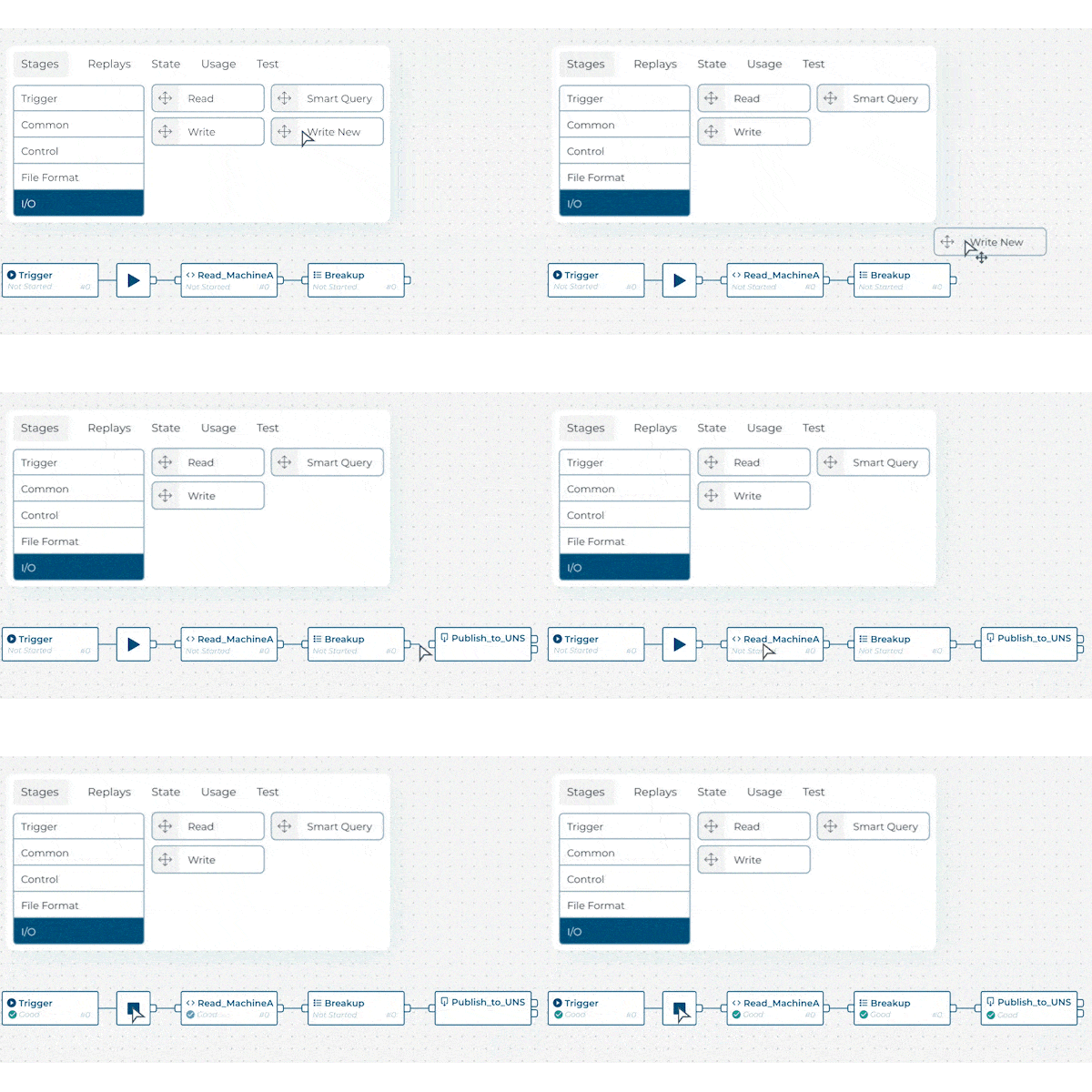
Collect and integrate unstructured data
- The Intelligence Hub connects to and integrates unstructured data sources via OPC, SQL, MQTT, and REST.
Structure data for easy access
- Collected data can be transformed into models and structured formats without coding.
This allows both OT and IT teams to access and use data efficiently.
Share data and maximize ROI
- Once structured, data becomes reusable across multiple use cases and architectures: edge, cloud, Unified Namespace (UNS), and AI.
Industrial DataOps use cases
A few examples
First Pass Yield
First Pass Yield is a key metric for managing production performance. However, obtaining the right data from multiple sources easily and in a timely manner is a real challenge that affects the productivity and quality of production lines.
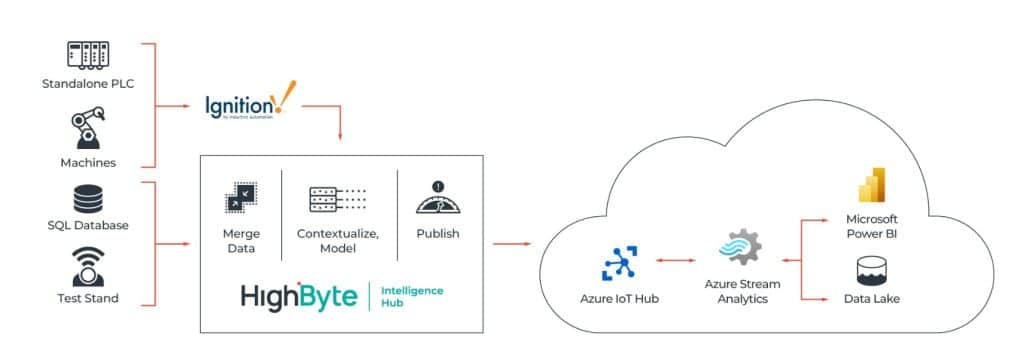
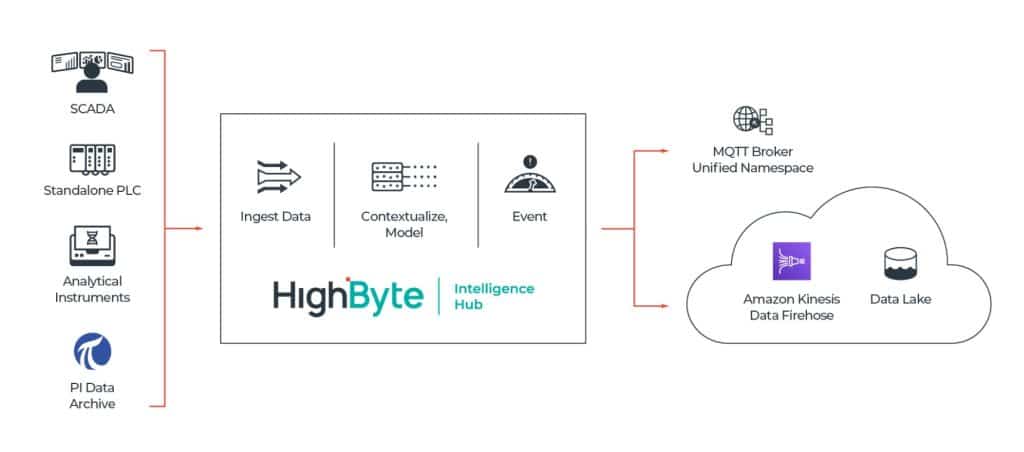
HighByte Intelligence Hub automates the collection of quality data and seamlessly integrates it with production data. This creates a unified, contextualized data foundation that can be used by both OT and IT teams and is ready for enterprise-wide, cloud-based analytics.
Electronic Batch Reporting (EBR)
The diversity of source systems – from PLCs to SCADA, MES, historians, and LIMS makes it difficult for the pharmaceutical industry to provide all relevant data with the correct context. Ensuring compliance with regulations such as 21 CFR 211.188 adds further complexity.
The system collects and structures all required data in real time, creating a consistent data foundation.
It then shares this data across a Unified Namespace or delivers it directly to a data lake.
High data quality, granularity, and accessibility lead to significant improvements in time, cost, and quality assurance.
Predictive maintenance
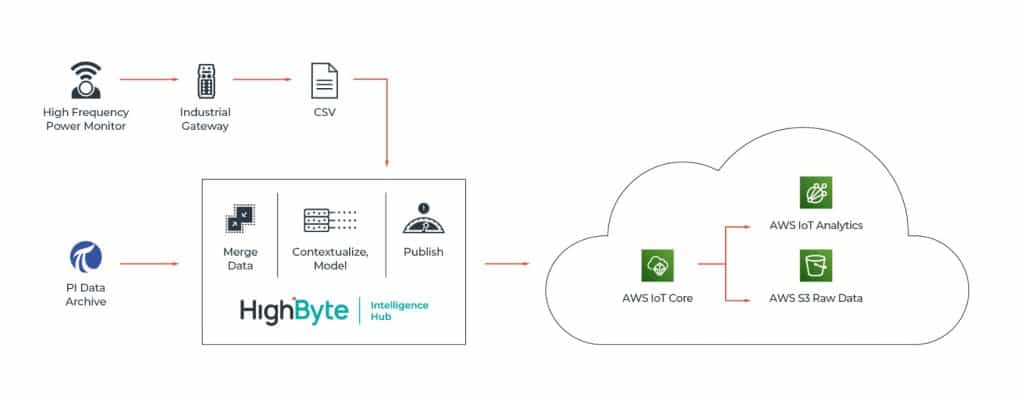
The rise of the Industrial Internet of Things enables manufacturers to adopt truly proactive maintenance strategies. However, the diversity, complexity and cost of legacy hardware and software present a real obstacle to the potential benefits.
HighByte Intelligence Hub optimizes high-frequency data collection from production systems, via MQTT, connectors for Ignition, AVEVA PI, and other sources, and models this data for analytics and maintenance applications.
Deployed directly at the edge, it enables OT teams to contextualize and analyze data locally, while IT and data teams can accelerate the development of predictive maintenance solutions.

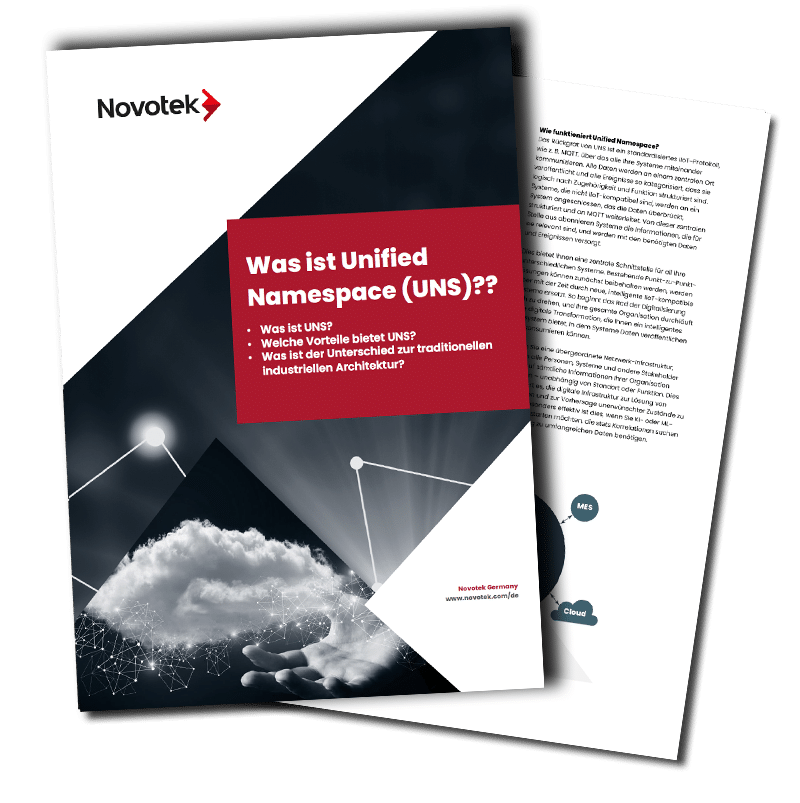
What is a Unified Namespace (UNS)?
- What is a UNS?
- What are the benefits of UNS?
- How does it differ from traditional industrial architectures?
Unlock the potential of Industrial AI with DataOps
Structured data – the foundation for new possibilities
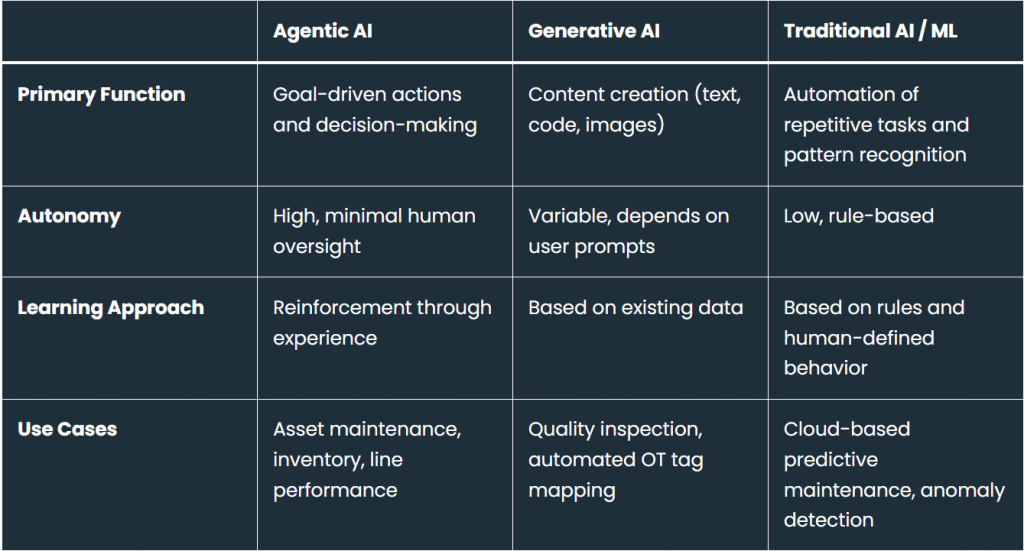
Whether MCP, predictive maintenance, or agent-based AI, new use cases require a harmonized, enterprise-wide data foundation.
Industrial DataOps creates this foundation and enables companies to scale AI initiatives securely and efficiently.
Get the most out of Industrial DataOps

Operations
Benefit from real-time process insights, improved IT support, and active enablement from your teams.
Greater agility and operational performance
Plant managers
Gain a holistic view of your production, with improved data granularity and accurate timing.
Transparency, performance, and continuous improvement
Business analysts
Access production data in raw form at scale and in high quality. Work on a shared data foundation with OT teams.
Faster development and more precise analytics
Executives
Align industrial KPIs, gain end-to-end visibility across the supply chain, and modernize legacy systems.
Accelerated digital transformation and faster ROI
The strategic link to your data architecture
Integration & Orchestration
Integration and orchestration form the operational layer of Industrial DataOps.
They enable data from multiple sources to be integrated, transformed, and delivered through automated workflows. This creates stable, traceable, and reusable data flows across system boundaries.
Unified Namespace (UNS)
The Unified Namespace (UNS), on the other hand, forms the structural foundation. It creates a central, consistent database in which production and business data are consolidated and contextualised in real time – serving as a unified ‘single source of truth’.